
Patellar Instability (Kneecap Dislocation) Treatment In Houston, TX
A dislocated kneecap, or patellofemoral instability, occurs when the kneecap slips out of place, causing pain, swelling, and difficulty with daily activities. If untreated, it can lead to cartilage damage and arthritis. Timely treatment is important to prevent long-term issues and restore knee function. You can consult Barrett S. Brown, M.D., our sports medicine expert, for effective patellofemoral instability treatment in Houston, TX. Call our office today to schedule your appointment and start your path to recovery.
Request An Appointment
What is Patellofemoral Instability
The knee joint is made up of three main parts: the front (patellofemoral), the inside (medial), and the outside (lateral) compartments.
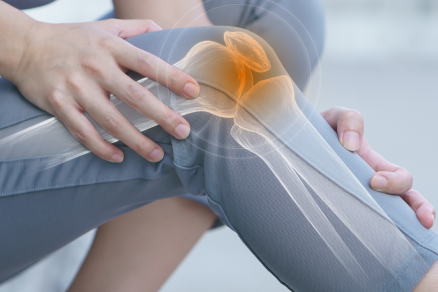
The patellofemoral compartment, where the kneecap (patella) sits, is often affected by patellofemoral instability. This condition occurs when the kneecap moves out of its normal track, potentially damaging the surrounding muscles and ligaments that support the knee joint.
Causes of Patellofemoral Instability
Patellofemoral instability happens when the kneecap (patella) doesn’t move smoothly in its groove. This can be caused by several factors:
- Anatomical Issues: Problems with the shape of the kneecap or its groove can lead to misalignment.
- Q Angle: A larger-than-normal angle between your hips and knees can make your kneecap more likely to slip.
- Arthritis: Wear and tear on the cartilage behind the kneecap can lead to pain and instability.
- Muscle Imbalance: Weak thigh muscles can contribute to kneecap misalignment.
Individuals who are young, active, and involved in sports are more likely to develop patellofemoral instability.
Questions About Patellar Instability (Kneecap Dislocation) Treatment?
How is Patellofemoral Instability Diagnosed by Dr. Brown
To diagnose patellofemoral instability, Dr. Brown, our patellofemoral instability specialist in Houston, TX, will ask about your medical history and perform a physical exam. He may also order imaging tests like X-rays, MRIs, or CT scans to get a better look at your knee joint.
Once the cause of your pain is identified, our knee specialist will recommend a treatment plan, which may involve non-surgical or surgical options.
Non-Surgical Patellofemoral Instability Options
If your patellofemoral instability is mild, Dr. Brown may recommend non-surgical treatments, such as:
- Rest and Ice: Reducing activity and applying ice to the knee can help reduce pain and swelling.
- Pain Medication: Over-the-counter pain relievers like ibuprofen or acetaminophen can help manage pain.
- Bracing: Wearing a brace can help stabilize your knee and prevent further injury.
- Physical Therapy: A physical therapist can teach you exercises to strengthen the muscles around your knee and improve flexibility. These exercises can help relieve pain, reduce swelling, and improve your knee’s overall function. Physical therapy may also involve specific techniques like manual therapy, where a therapist applies pressure to your knee to help realign the kneecap.
Surgical Treatments for Patellofemoral Instability
If non-surgical treatments haven’t been effective, surgery may be recommended by our patellofemoral instability specialist, especially for people who experience frequent kneecap dislocations. Surgical options include:
- Lateral Release: This procedure involves releasing tight ligaments on the outside of the knee to reduce pressure on the kneecap.
- Medial Patellofemoral Ligament (MPFL) Reconstruction: If the MPFL is torn, it can be repaired or reconstructed using a graft from another part of your body or a donor. This procedure helps stabilize the kneecap.
- Tibial Tubercle Osteotomy (TTO): This procedure involves moving the bony bump below the kneecap to a more central position. This can help improve the kneecap’s tracking and reduce the risk of dislocation.
All these procedures are typically performed arthroscopically, which means a small camera is inserted into the knee joint, minimizing the incision size and recovery time.
Postoperative Care Following Treatment of Patellofemoral Instability
After surgery, Dr. Brown will prescribe pain medication to manage discomfort. To reduce swelling, you’ll need to keep your leg elevated and apply ice packs to your knee. You may also need to use crutches for a few weeks to avoid putting weight on your knee. A knee brace can help stabilize your knee during this time.
Our knee specialist will provide specific instructions on activities to avoid and exercises to do to promote healing. Physical therapy can help you regain strength, flexibility, and range of motion in your knee.
What Our Patients Are Saying

Shelia Briggs
Cathy Arroyo
Karen Larocca
Lynn Russell
Kimberley Gomez
Karen Larocca
Mary Isern
Jenna Hunter
Potential Risks and Complications of Surgery
While knee surgery for patellofemoral issues is generally safe and effective, there are potential risks and complications, including:
- Difficulty straightening your knee.
- The kneecap may continue to slip out of place.
- Scar tissue can form around the joint, limiting movement.
- Pain may continue after surgery.
Contact Us Today to Regain Your Knee’s Stability!
Patients with patellofemoral instability have a kneecap that’s out of alignment. This can cause pain, swelling, and difficulty moving your knee. To correct this misalignment and relieve your symptoms, you may need treatment from a specialist.
Dr. Barrett S. Brown is a highly skilled sports medicine specialist who can provide effective patellofemoral instability treatment in Houston, TX. To learn more about your treatment options, call (346) 247-2531 to schedule a consultation today.